


Honor Thy Mother: How to Raise Resilient Boys with Coach Tim Brown


In a heartfelt episode of the Boy Mom Podcast, host Suzanne Carawan sits down with Coach Tim Brown, a seasoned mentor, author, and advocate for young men. Drawing from his own experiences growing up in a single-mom household, Tim shares profound wisdom on the unique bond between mothers and sons, the critical role of male mentors, and practical strategies for guiding boys toward manhood.
At the core of the discussion is Tim's book, "Boys Won't Be Boys: Empowering Boys to Live Uncommon in a Common World", which flips the script on traditional excuses for boyish behavior and offers a roadmap for building character. Tim strongly believes that with so many single-mothers out there today, they need to understand their sons and also the critical importance of surrounding their sons with strong male role models.

Tim's Journey: From Single-Mom Upbringing to Mentorship Advocate
Tim Brown's story begins in East Cleveland, Ohio, where he was raised primarily by his mother. As the oldest son in a family of four, Tim took on significant responsibilities early, determined not to burden his hardworking mom. He saw how hard she worked and he wanted to do his share by providing and not complaining. "I didn't want to hear my mother say, 'Tim, I'm disappointed in you,'" he recalls, emphasizing the deep respect boys often hold for their mothers in single-parent homes.
Despite the absence of his biological father, Tim credits a "village" of positive male influences for shaping him. His first encounter with a strong male role model came at church, followed by his sixth-grade teacher, Mr. Clayton Burroughs, a fresh college graduate who instilled a passion for excellence. Later, at Shaw High School, football coach Jim Brown (no relation, though classmates assumed otherwise) became a pivotal figure. Tim reveals that his mother approached Coach Brown for help when she noticed Tim veering toward the wrong crowd, underscoring a key theme: mothers must seek out trustworthy mentors but vet them carefully.

Tim stresses that effective mentors exhibit character, stellar community reputation, and consistency in how they treat their own families. "You have to find someone to stand in the gap," he advises, but warns against forcing relationships. Boys, he notes, have an innate sense for authenticity—if a mentor feels off, it's crucial to listen. This organic connection, built through observation rather than direct instruction, is how boys "catch" lessons on manhood. Tim's experiences highlight the irreplaceable value of male modeling: "Most things boys learn aren't taught; they're caught."
The Role of Faith and Community in Building Resilience
Faith emerges as a cornerstone in Tim's narrative. Growing up, he observed men in church interacting positively with their families, which fueled his desire for similar relationships. His mother's nightly prayers and open Bible left a lasting imprint—Tim still kneels to pray the Lord's Prayer every night, a habit passed down through example.
In coaching and teaching, Tim meets boys where they are, prioritizing relationships over rigid doctrine. He recounts his time teaching fifth-grade boys at Sunshine Christian Academy, where he fostered an all-boys environment free from distractions. "One man plants, another waters, but God gives the increase," he says, advocating for transparency and understanding that boys will stumble as they find their way.

Tim also addresses societal shifts affecting boys today. He laments the loss of work ethic and hands-on skills, like those once taught in shop classes, which he believes are essential for boys who thrive when working with their hands. However, he celebrates positive changes: modern boys show more empathy, emotional openness, and willingness to form supportive groups, such as men's Bible studies—trends absent in his youth.
For mothers, Tim offers reassurance: boys need space to grow, but they also crave affirmation. "Boys are competitors, but they don't want to disappoint," he explains. Churches and positive environments provide ideal spaces for mentorship, where boys can witness leadership and learn to honor others.

Mothers as Nurturers: Knowing When to Step Back
A recurring message is the unique dynamic between mothers and sons. Tim praises mothers as nurturers with strong instincts, but acknowledges limits: "A mother can take a boy only so far." Around ninth grade, his own mother recognized this and enlisted Coach Brown's help. He urges moms to allow men to lead in certain areas, noting the deeper voice and direct approach that resonates with boys.
Suzanne shares her own stories, like vetting lacrosse and football coaches for her sons by observing their character. Tim agrees: watch how potential mentors handle adversity and treat others. He warns against overriding a boy's "gut feeling" about someone, as boys often defer to please their moms but need protection from mismatched influences.
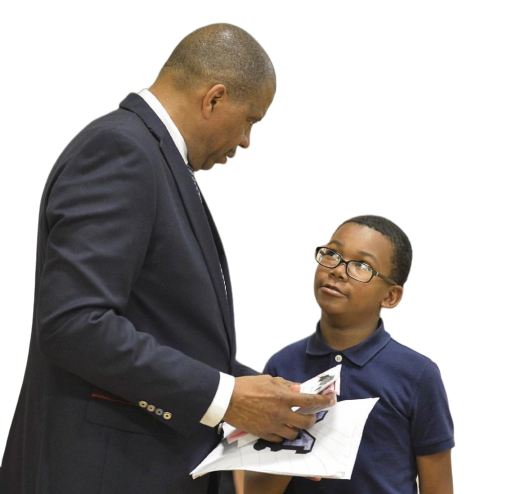
The conversation touches on empathy in boys, often overlooked. Tim recounts a sixth-grader hugging him after hearing about his upbringing, illustrating boys' tenderness. Mothers, he says, should celebrate small wins with phrases like "I'm proud of you," which can profoundly motivate.

Highlighting the Book: *Boys Won't Be Boys*
At the heart of Tim's message is his book, "Boys Won't Be Boys", a deliberate twist on the adage "boys will be boys." Tim challenges this excuse, arguing it perpetuates immaturity. Instead, the book empowers boys to embrace an "uncommon" life in a world of conformity. Structured in eight chapters, each focusing on an "uncommon" trait, it's designed for book clubs, parent-child discussions, or school groups—ideal for sparking conversations with typically quiet boys.
- Chapter 1: Uncommon Foundation: Rooted in faith, emphasizing a solid base in Jesus Christ.
- Chapter 2: Uncommon Identity: Protecting and valuing your name, as Tim teaches boys to understand its origin, add value, and pass it on as legacy.
- Chapter 3: Uncommon Swag: True confidence comes from within, not external appearances.
- Chapter 4: Uncommon Friends: Choose companions wisely; not everyone deserves a place in your circle.
- Chapter 5: Uncommon Character: Integrity in private moments defines a man.
- Chapter 6: Uncommon Relationships: Advice on valuing oneself in romantic contexts, flipping the script to warn boys about exploitation.
- Chapter 7: Uncommon Sense: Essentially common sense applied thoughtfully.
- Chapter 8: Uncommon Reward: Respect is earned through consistent actions, not demanded.
Each chapter ends with discussion questions, making it a practical tool for moms, dads, or mentors. Tim shares how schools use it for all-boys groups, targeting the "sweet spot" of fourth to fifth grade, when boys are most receptive. He draws parallels to Jewish bar mitzvahs at age 13, stressing accountability milestones at 13, 16, and 18.
The book's cover illustrates two paths: a crowded common one versus the uncommon trail of purposeful living. Tim's goal? Plant seeds for boys to become responsible, empathetic leaders. Feedback from parents highlights its role in starting tough talks, with Tim's decades of coaching lending credibility.

Tim outlines developmental markers: at 12-13, boys idolize a male figure and emulate him lifelong. By 16, they assess their strengths—remind them to stay grounded. At 18, full accountability kicks in. Practical advice includes:
- Place boys in positive environments like sports or church for organic mentorship.
- Teach work ethic through hands-on activities; revive skills like building or fixing.
- Encourage emotional expression: hugs, "I love you," and vulnerability build stronger men.
- For single moms: Honor your efforts; boys notice and respond with respect.
Conclusion: Empowering the Next Generation
Coach Tim Brown's insights remind us that raising boys requires community, faith, and intentionality. In a world quick to label boys as "trouble," Tim flips the narrative, urging them toward uncommon excellence. His book, "Boys Won't Be Boys", is more than a read—it's a blueprint for legacy-building. Available at coachtimbrown.com or Amazon, it's a must for any boy mom seeking to nurture resilient, honorable sons.
As Tim says, "Pressure is privilege." Let's equip our boys to rise to it.



Comments